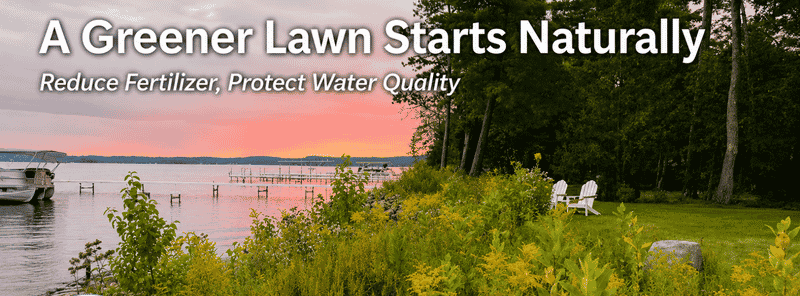
A Greener Lawn Starts Naturally
Reduce Fertilizer, Protect Water Quality
True Blue News – June 2026 Edition
True Blue Gardening: Feed Your Lawn, Not the Lake
A lush, green lawn may look healthy, but traditional fertilizers can have unintended consequences for Torch Lake and the surrounding waterways.
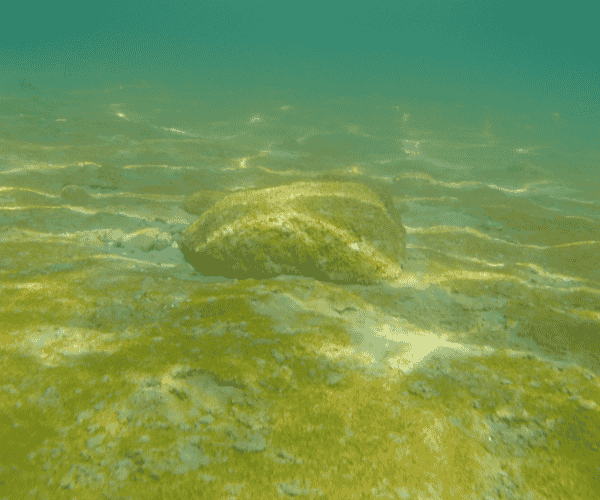
Algae, a recent change to the bottom of Torch Lake
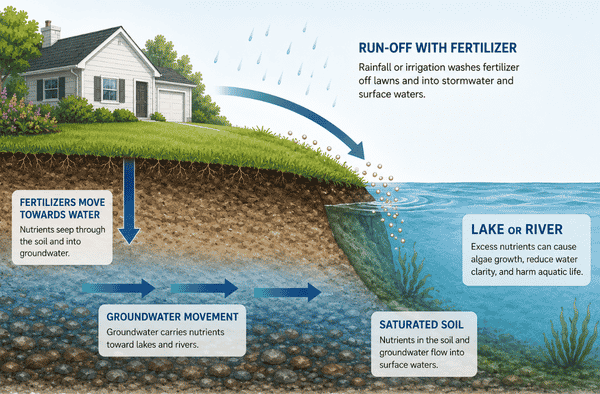
When fertilizer is applied to lawns, rain can wash excess nutrients into nearby lakes, streams, and wetlands. These nutrients, particularly phosphorus and nitrogen, can fuel algae growth, reduce water clarity, and disrupt the natural balance of aquatic ecosystems. Healthy lakes thrive when nutrient levels remain low. (See graphic below)
The good news? Your lawn may need less fertilizer than you think.
Build Healthy Soil Naturally
Instead of relying on chemical fertilizers, focus on creating healthy soil:- Leave grass clippings on the lawn to return nutrients to the soil.
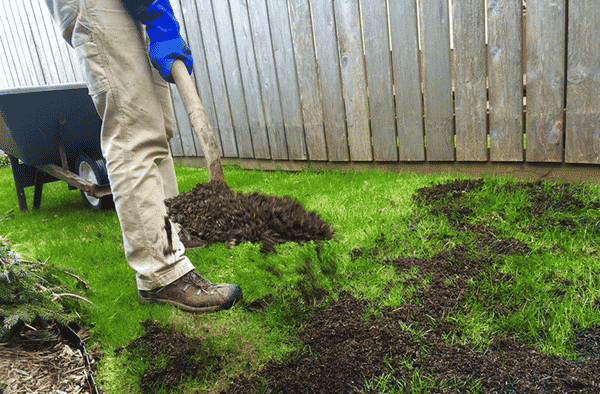
- Top-dress with compost to improve soil structure and fertility.
- Mow high (3–4 inches) to encourage deeper roots and drought resistance.
- Water deeply but infrequently to promote healthy growth.
- Consider planting native species that require little to no fertilizer once established.
If You Fertilize
If your lawn truly needs nutrients:- Have your soil tested first.
- Choose phosphorus-free products unless a soil test indicates a deficiency.
- Follow application instructions carefully.
- Never apply fertilizer before heavy rain.
- Keep fertilizer off driveways, sidewalks, and roadways where it can wash directly into storm drains.
A True Blue Lawn
A healthy lawn doesn’t have to be perfect. By reducing fertilizer use and building healthy soil naturally, you can enjoy a beautiful yard while helping to care for Torch Lake.
Small changes at home make a big difference for water quality throughout the watershed.
More True Blue News
Copyright © 2026 · Torch Conservation Center, Inc. P.O. Box 1142 Bellaire, MI 49615
Site design by Widow's Peak Web Design.