
Plant a Tree. Care for Torch.
True Blue News – September 2026 Edition
As summer begins to wind down and we start looking toward fall, it’s a good time to look around your property — and look up.
Do you have enough trees?
Trees are such a familiar part of our Up North landscape that it’s easy to overlook just how much work they’re doing. Their roots absorb rainwater, hold soil in place and help filter nutrients, sediment and other pollutants before they can make their way into Torch Lake.
And here in Northern Michigan, where our layer of topsoil can be surprisingly thin, those roots matter.
Trees and Torch Lake
When rain falls on a wooded property, much of that water is slowed down and absorbed. Tree roots reach deep into the ground and can extend outward as far as the canopy above. That extensive root system helps water soak into the soil instead of quickly running across the surface.
When trees and other natural vegetation are removed, there is less to slow that water down. Stormwater can pick up soil, nutrients and other materials along the way and carry them toward the lake and its tributaries.
Trees help by:
- Absorbing rainwater
- Holding soil in place and reducing erosion
- Keeping sediment from washing into the lake
- Taking up nutrients that can contribute to algae growth
- Providing shade and habitat for wildlife
- Shading homes in summer and helping block cold winter winds
One tree may seem like a small thing, but across an entire watershed, those trees add up.
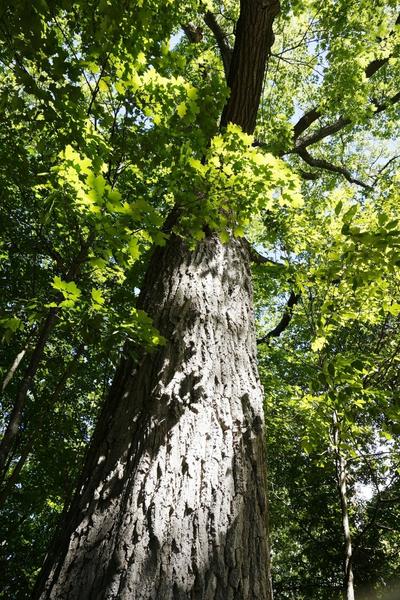
Photo: Barbara Lockrey
Fall Is a Great Time to Plant
If you’ve lost trees to storms, disease, construction or simply old age, consider replacing them. You don’t have to transform your property all at once. Planting a few trees now — and adding a few more over the years — can gradually restore some of the natural landscape that once surrounded Torch Lake.
Before choosing a tree, take a good look at the planting site. Is the soil typically wet or dry? How much sun does it receive? How large will the tree eventually become?
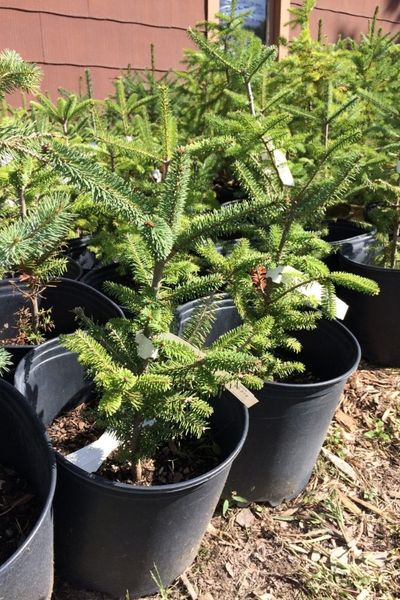
Different trees are suited to different conditions. For wetter areas, options may include white cedar, balsam fir, yellow birch and black willow. Drier sites may support species such as white pine, red pine, maple, oak, cherry, hickory and eastern hemlock.
Choosing the right tree for the right location gives it a much better chance of becoming part of the landscape for decades to come.
Give Your Tree Room to Grow
That little tree you bring home may not stay little for long.
Before planting, consider its mature height and canopy. Give it enough room from your home, neighboring trees and other structures. Trees should also be planted well away from septic tanks and drain fields, and special care should be taken around overhead and underground utilities.
And before you dig, always contact MISS DIG by calling 811.
Think Long Term
Trees aren’t a quick landscaping project. They’re an investment in what our shoreline and watershed will look like years from now.
Some of the trees we enjoy around Torch Lake today were planted by people who knew they might never see them at their full size.
Planting a tree this fall can mean more shade, stronger soil, better wildlife habitat and another natural layer helping Care for Torch Lake for the next generation.
Start small. Plant the right tree in the right place. Give it room to grow.
Those roots can make a bigger difference than you might think.
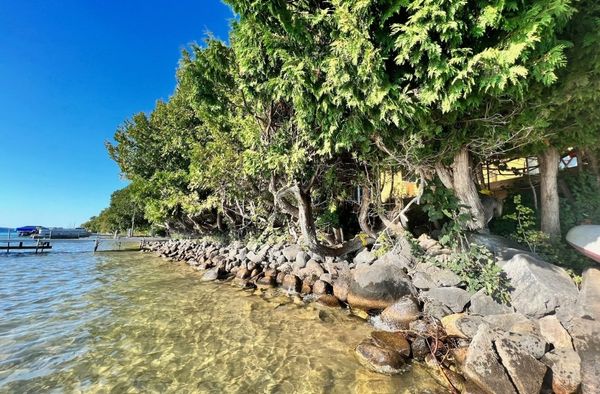
Photo Shared By: Paul Beaupre
More True Blue News