
True Blue Gardening
Keep a No-Mow Zone
What is a No-Mow Zone?
A No-Mow Zone is an area between your lawn and a steam or Torch Lake, where grass and plants are allowed to grow freely without cutting. The depth from your lawn to the shore may be 5’-25’.
Without mowing, native grasses and wild flowers will begin to grow in the No-Mow Zone.
Native plants have deeper roots (12”-36”) than turf grass (3”).
Deep roots hold sediment, take up nutrients and trap toxins so these pollutants can’t reach Torch Lake or our drinking water
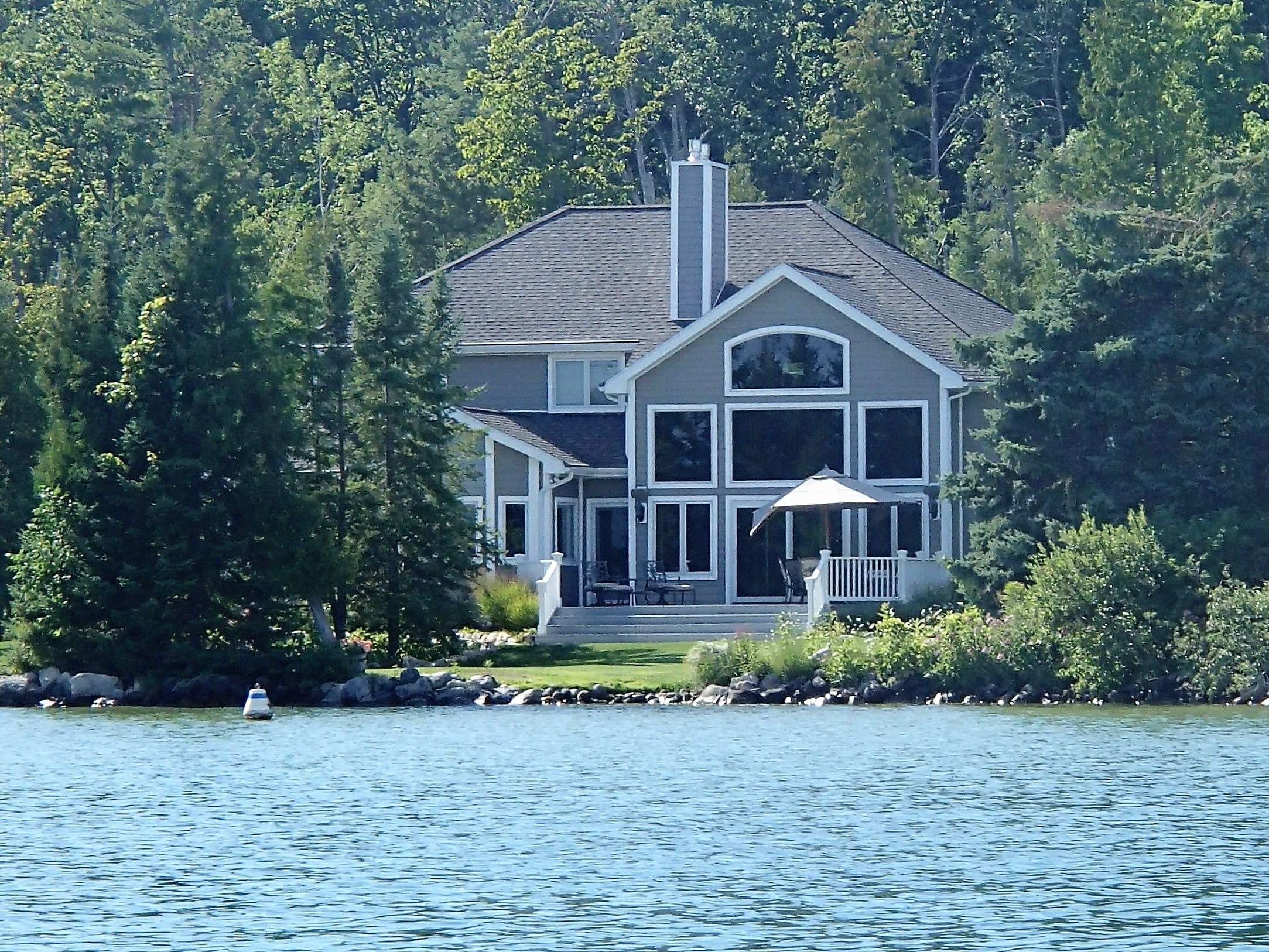
Photo: Torch Conservation Center
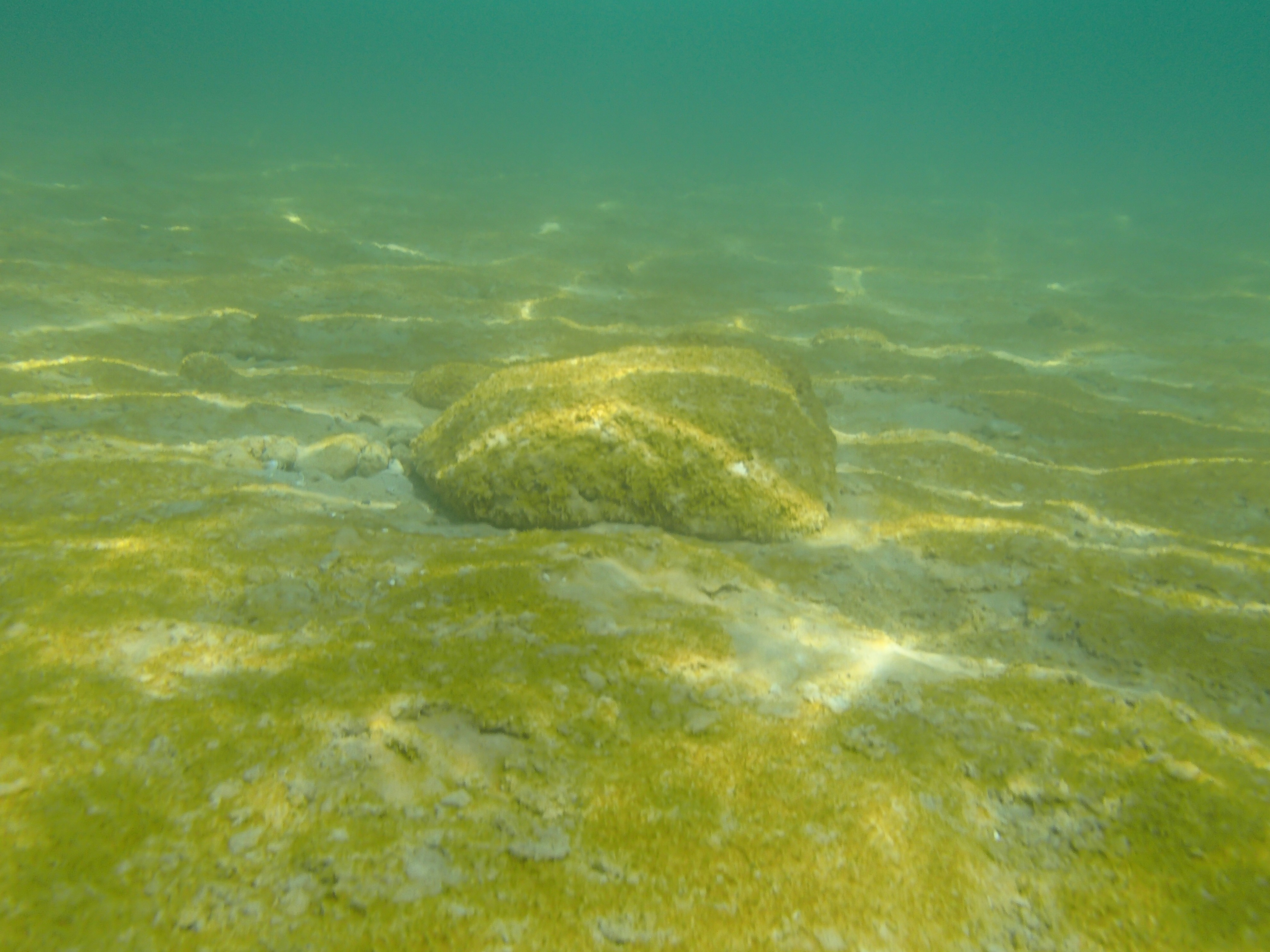
Photo: Torch Conservation Center
What are the benefits to you and our water?
- Keeps nutrients out of Torch Lake, so algae won’t grow and change its turquoise color to green
- Keeps geese from littering your lawn
- Saves money on lawn and yard maintenance
- Reduces bank and soil erosion
- Keeps toxins out of Torch Lake, so they won’t harm fish and aquatic creatures
- Keeps sediment out of Torch Lake so it won’t harm fish and aquatic creatures
- Provides wildlife habitat and breeding areas for native birds, bees and butterflies
- Provides privacy from boat traffic and neighbors
What can you do?
Step 1: Stop mowing the zone adjacent to the shore, especially where lawns and steep banks meet the lake.
The wider the No-Mow Zone the better.
An effective No-Mow Zone should span:
- at least 50-75% of your shoreline frontage OR
- a width of 15-50 feet, depending on the bank slope.
Step 2: Nature will do the next step.
Native plants will begin to grow in the zone
Step 3: Watch and weed.
Dig out the plants you don’t want in the No-Mow Zone.
Step 4: Add colorful native plants.
It may take a little time to adjust to the appearance of unmowed areas, but the natural beauty of your shoreline will appear along with birds, bees and butterflies.
Step 5: Take an online survey
This survey from Shoreland Stewards will determine how you protect Torch Lake with your Landscape Choices.
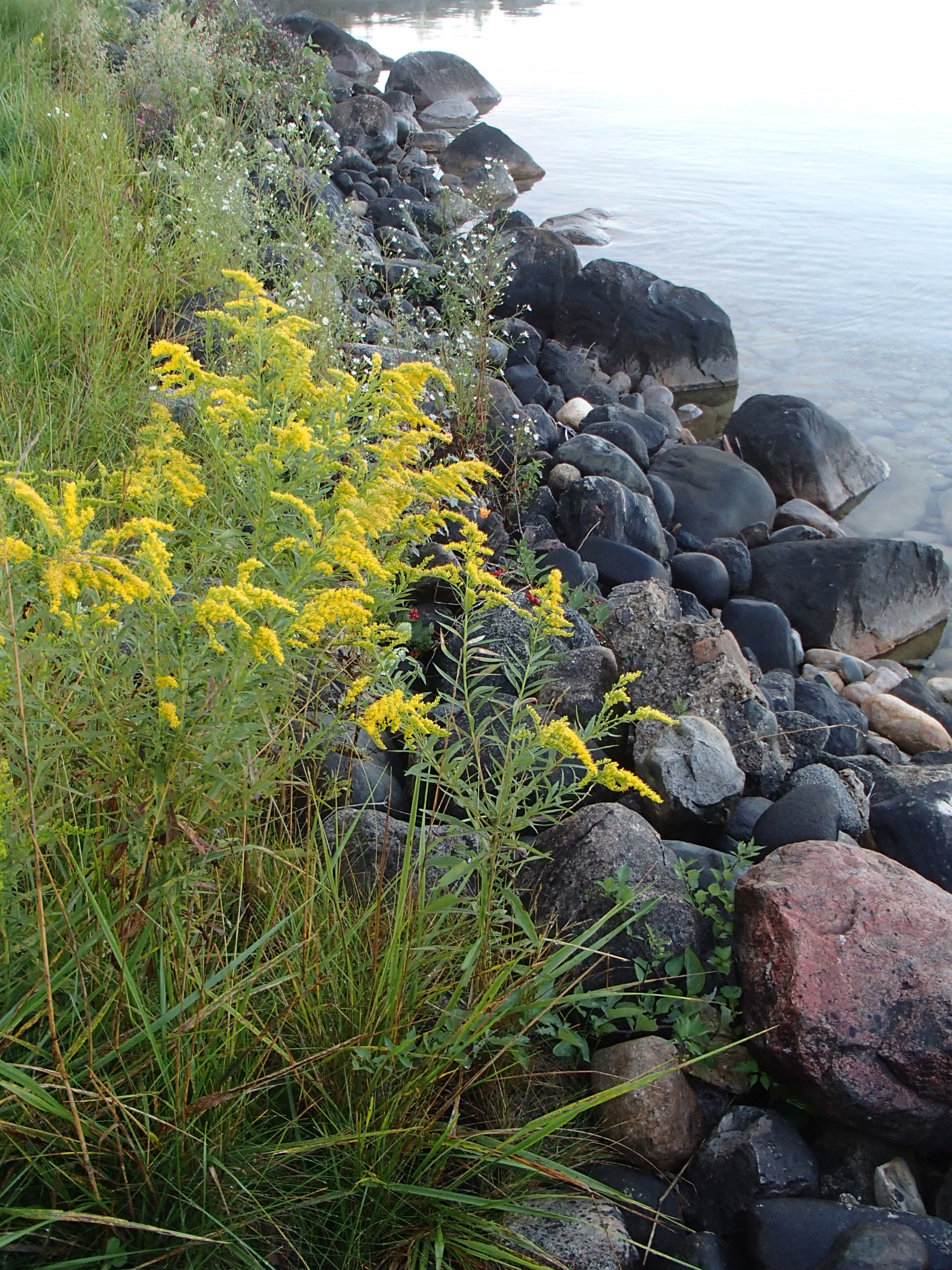
Photo: Torch Conservation Center

Links
More information on No-Mow Zones.
Find more Caring for Water ideas in True Blue Gardening